


Shark Cage Diving in Port Lincoln
South Australia

There are only a handful of places in the world where you can come face to face with a Great White Shark in the wild, and Port Lincoln is widely regarded as one of the best. Located on the rugged southern edge of the Eyre Peninsula, Port Lincoln has become internationally famous for shark cage diving experiences around the Neptune Islands — a remote group of rocky islands surrounded by the cold, nutrient-rich waters of the Southern Ocean.
For many visitors, shark cage diving is not just another tour. It is one of the most unforgettable wildlife encounters Australia can offer. Seeing a five-metre Great White Shark glide silently beneath the surface is both humbling and surprisingly emotional. These sharks are powerful apex predators, yet they move through the water with an elegance that changes the way many people think about them.
Having previously worked within the shark cage diving industry in Port Lincoln myself, I have spent significant time on the water around the Neptune Islands and have seen firsthand why this experience has become one of South Australia’s most iconic nature adventures.


Why Port Lincoln is Famous for Great White Sharks
The Neptune Islands sit around 60–70 kilometres offshore from Port Lincoln and are home to one of Australia’s largest long-nosed fur seal colonies. These seal colonies naturally attract Great White Sharks, particularly during the cooler months when sharks move through the region to feed and patrol the area.
The Southern Ocean around the Eyre Peninsula is incredibly productive, with deep cold water, strong currents, and abundant marine life. This creates an ideal environment for large predatory sharks.
Unlike aquariums or controlled wildlife parks, every shark encounter here is completely wild and unpredictable. Some days you may see multiple sharks circling the vessel for hours. Other days the sightings can be brief and mysterious. That unpredictability is part of what makes the experience authentic.

What is a Great White Shark?
The Great White Shark (Carcharodon carcharias) is the largest predatory shark species on Earth. Adults commonly reach between 4 and 6 metres in length, with some individuals exceeding this size. Despite their fearsome reputation, Great Whites are highly intelligent and cautious animals.
They are built perfectly for open ocean hunting — powerful tails, sensitive electroreceptors, excellent eyesight, and an extraordinary sense of smell. Their role as apex predators is critical for maintaining balance within marine ecosystems.
Unfortunately, Great White Sharks have also been heavily misunderstood for decades, largely due to sensational media portrayals. Many operators and researchers in Port Lincoln have spent years helping educate visitors about shark behaviour and conservation rather than fear.
The History of Shark Cage Diving in South Australia
Modern shark cage diving in South Australia is deeply connected to Rodney Fox.
In 1963, Rodney Fox survived one of the world’s most severe non-fatal Great White Shark attacks while competing in a spearfishing competition near Adelaide. The experience changed his life completely. Rather than developing hatred toward sharks, Rodney became fascinated by them and dedicated much of his life to research, conservation, underwater filmmaking, and changing public perception of Great Whites.
Rodney later helped develop one of the world’s first underwater shark observation cages and became involved in numerous documentaries and shark research expeditions, including productions connected to Jaws and National Geographic.
Today, Port Lincoln is recognised globally as one of the birthplaces of shark cage diving tourism.
Shark Cage Diving Tours in Port Lincoln
Shark Cage Diving with Calypso Star Charters
Day Trip Surface Cage Diving

Calypso Star Charters specialises in one-day shark cage diving experiences departing from Port Lincoln Marina. Their trips are ideal for travellers wanting a full-day adventure without spending multiple nights at sea.
The surface cage sits partially above water level, meaning no scuba certification is required. Guests simply wear a wetsuit and mask while breathing naturally from the surface.
This experience is particularly popular for:
-
First-time shark cage divers
-
Families and non-divers
-
Visitors with limited time
-
Wildlife photographers wanting a comfortable day trip
Calypso Star has operated since 1990 and has become one of South Australia’s best-known wildlife tourism experiences.
Rodney Fox Shark Expeditions
Multi-Day Great White Shark Expeditions

Rodney Fox Shark Expeditions offers a far more immersive expedition-style experience. These multi-day liveaboard trips spend extended time around the Neptune Islands and are regarded internationally as one of the ultimate Great White Shark encounters.
What makes Rodney Fox unique is the famous:
-
Surface Cage
-
Ocean Floor Cage
The Ocean Floor Cage is lowered to the seafloor approximately 20 metres below the surface, allowing divers to watch Great White Sharks moving through the deep blue water beneath the boat. It is considered one of the most unique shark diving experiences in the world.
These expeditions are best suited for:
-
Serious wildlife enthusiasts
-
Underwater photographers
-
Divers wanting longer shark interactions
-
Travellers wanting a true expedition atmosphere
The longer time spent offshore often allows for more natural shark encounters, changing weather conditions, night skies, and a deeper appreciation of the Neptune Islands environment.

More Than Just Adrenaline
While shark cage diving is often promoted as an adrenaline activity, most people leave with a completely different perspective on sharks.
Watching a Great White Shark move slowly and curiously around the cage often replaces fear with respect. Many visitors become deeply interested in marine conservation after the experience.
For Port Lincoln and the Eyre Peninsula, shark cage diving has also become an important part of the region’s nature tourism identity, attracting wildlife photographers, filmmakers, marine researchers, and adventurous travellers from around the world.
Why Port Lincoln Remains One of the World’s Best Shark Diving Destinations
There are many places globally where you can dive with sharks, but very few match the raw wilderness and authenticity of Port Lincoln.

Large Prey Population in the Southern Ocean

The Remote Neptune Islands

Decades of Shark Research and Conservation
The waters around Port Lincoln and the Neptune Islands support a rich marine ecosystem filled with natural prey for Great White Sharks. The Neptune Islands are home to one of Australia’s largest colonies of long-nosed fur seals, while Australian sea lions, dolphins, tuna, and other marine life are also commonly found throughout the region.
This abundance of wildlife creates a healthy food chain that naturally attracts apex predators like Great Whites. Unlike many wildlife encounters around the world, the sharks here are part of a real and active Southern Ocean ecosystem.
Neptune Islands are located far offshore in the wild Southern Ocean, around 60–70 kilometres from Port Lincoln. Their isolation helps preserve the area as one of Australia’s most untouched marine environments.
The rugged cliffs, cold deep water, strong currents, and large seal colonies create ideal conditions for Great White Sharks. For visitors, the remote location also makes the experience feel more like a true ocean expedition rather than a standard tourist activity.
Port Lincoln has a long history of shark research and conservation, beginning with Rodney Fox, whose work helped change global perceptions of Great White Sharks.
Today, researchers from Flinders University, including Dr Charlie Huveneers, continue important shark studies around the Neptune Islands. Their work includes satellite and acoustic tagging programs used to track shark movement, behaviour, and migration patterns throughout South Australia.
This ongoing research has helped make Port Lincoln one of the world’s most respected locations for understanding and observing Great White Sharks in the wild.
For many visitors, seeing a Great White Shark in the wild becomes the highlight of their entire Australian journey — not because it is terrifying, but because it feels deeply real. The cold air, the open ocean, the smell of salt and tuna in the wind, and suddenly a massive white shark emerging from the blue water beside the cage.
It is one of those rare wildlife experiences people remember for the rest of their lives.
The Real Appeal of Shark Cage Diving
The most memorable part of shark cage diving is often not fear.
It is the feeling of being immersed in a remote Southern Ocean environment where nature still operates on its own terms.
There is something powerful about standing on the deck in cold sea air, watching albatross circle overhead while waiting for a Great White Shark to appear from the deep blue water. Sometimes the sharks arrive quickly. Sometimes they do not. That uncertainty is part of real wildlife travel.
Port Lincoln is not a manufactured attraction. It is one of the last places in Australia where tourism still feels closely connected to raw nature, working ocean industries, and genuine wilderness.
That is why many people arrive for the sharks — but leave remembering the entire Eyre Peninsula.
Southern Ocean Safari - No Guarantee for Sharks
One thing many visitors misunderstand about shark cage diving in Port Lincoln is that this is not a theme park attraction or an aquarium experience. The Neptune Islands are part of a remote marine wilderness in the Southern Ocean, and Great White Sharks here are completely wild animals. That is exactly what makes the experience so special.
No operator can ever guarantee shark sightings.
Some days multiple sharks may appear around the vessel for hours. On other days the ocean can feel quiet and mysterious. Weather, water temperature, currents, seal activity, and shark movement all influence sightings. The best mindset is to treat shark cage diving not simply as a “shark tour,” but as a true Southern Ocean wildlife safari.
You are heading into one of the wildest marine environments in Australia.

Short-beaked Common Dolphin

Shy Albatross
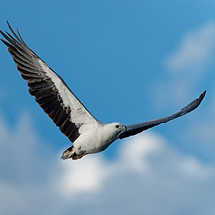
White-bellied Sea Eagle

Southern Yellowtail Kingfish

Don’t Come to Port Lincoln Only for Shark Cage Diving
One of the biggest mistakes visitors make is flying into Port Lincoln for one day, doing shark cage diving, then immediately leaving.
Port Lincoln and the wider Eyre Peninsula deserve far more time than that.
This region is one of Australia’s most underrated nature destinations, combining rugged coastline, seafood, wildlife, national parks, off-road adventures, and remote landscapes that feel far removed from the crowded east coast tourism trail.
Many travellers originally come for the Great White Sharks, then realise the sharks are only one small part of what makes the Eyre Peninsula special.